
Sitting under the shade of a tree by the historic Malone’s Church on the Eastern Shore, brothers James and Price McCoy started singing in prayer. Cameras were rolling and MDOT’s archaeologists were on site. They were there to help preserve and share the stories of Harriet Tubman’s family, friends and community members through a new oral-history initiative documenting living descendants in Dorchester County.
The project focuses on the historic Malone’s Church, which is located just over a mile from Tubman’s birthplace and in the rural Black communities of Madison and Harrisville. MDOT archaeologists interviewed and recorded oral histories of the close-knit community’s experiences and created a webpage for the Malone’s Church Oral History Project to share the collected stories and the church’s central role in the community. The oral history project and new webpage builds on MDOT’s work highlighting Harriet Tubman sites along the Underground Railroad Byway.
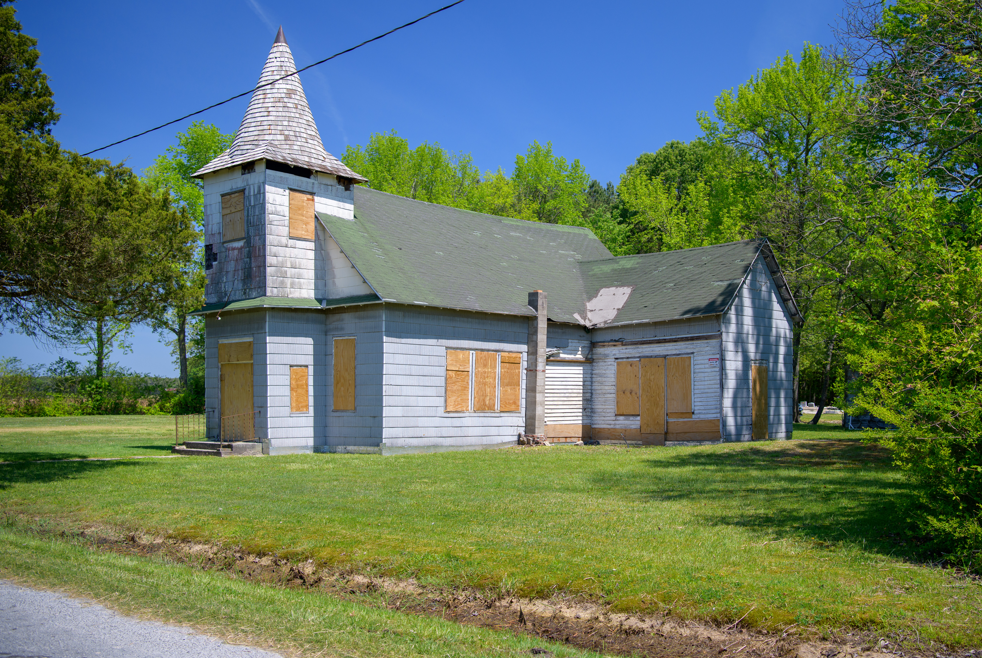
Photo of the historic Malone’s Church in Dorchester County. (David Trozzo/MDOT)
Malone’s Church is recognized as a National Park Service Network to Freedom Site and is part of the Harriet Tubman Underground Railroad Byway. The chapel was built in 1866 and later expanded in 1895. The building provided space for the community to gather for worship and community events.
“As a descendant of the Harrisville community, I believe that all history, including family knowledge, oral traditions and community preservation must be highly valued,” said Renna McKinney, Harrisville Descendant and President of the Harrisville Malone Cemetery Maintenance Fund. “Honoring the history of Harrisville and Madison, Maryland means honoring the people, families, and life experience connected to both tight knit communities.”
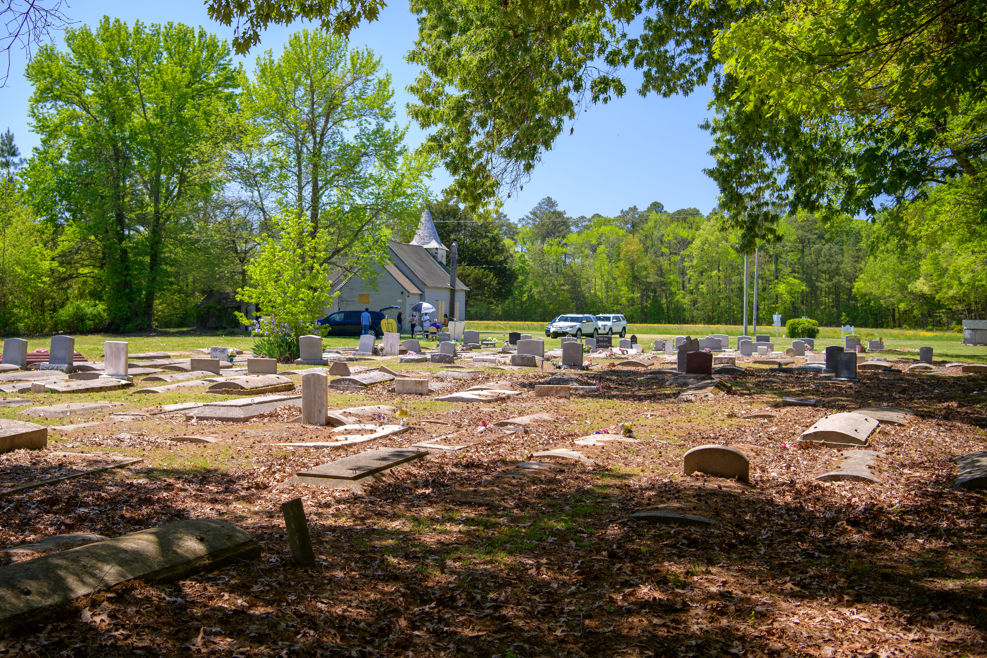
Cemetery next to the historic Malone’s Church (David Trozzo/MDOT)
This community is deeply connected to Tubman, one of America’s most celebrated freedom fighters and conductors of the Underground Railroad. Around 1822, Tubman was born Araminta “Minty” Ross on Anthony Thompson’s farm near the Blackwater River. While Malone’s Church was not standing at the time, it was the place Tubman married her first husband, John Tubman. Some of the neighbors in the community played a significant role in Tubman’s early life, including helping her and others escape slavery.
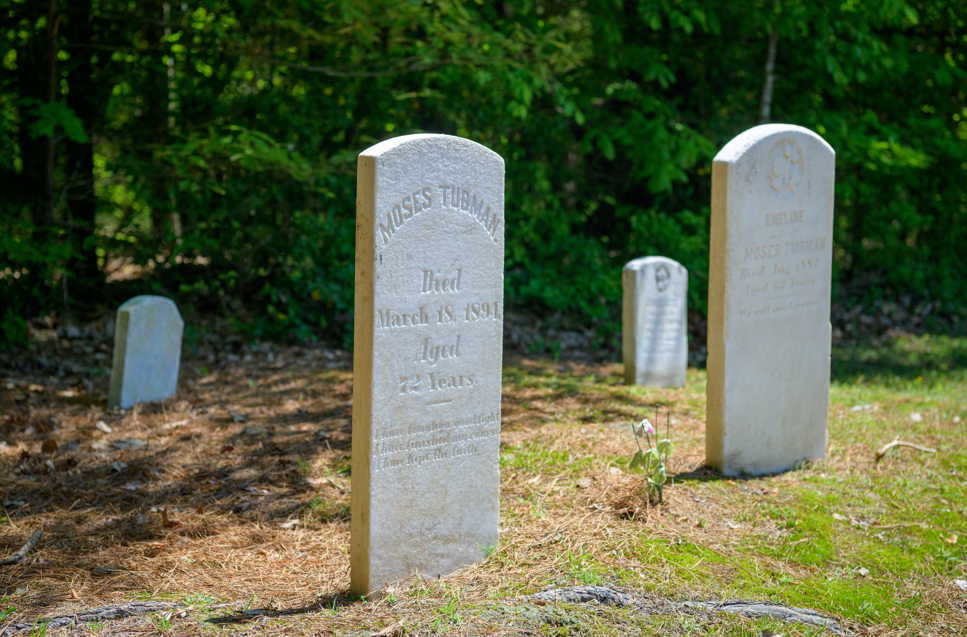
Grave stones for Moses and Emeline Tubman in the cemetery next to Malone’s Church. (David Trozzo/MDOT)
MDOT archaeologists discovered the home of Ben Ross, Tubman’s father, on the former Thompson Farm in the Blackwater National Wildlife Refuge just over a mile from Malone’s Church. Here, archaeologists found hundreds of artifacts shared in the Ben Ross Homeplace virtual museum.
MDOT continues to highlight and share Maryland’s untold stories through presentations, historical road markers and virtual museums. These initiatives further educate the traveling public and encourage tourism within the state.
Meredith Devereux is a Senior Writer with the Maryland Department of Transportation.