

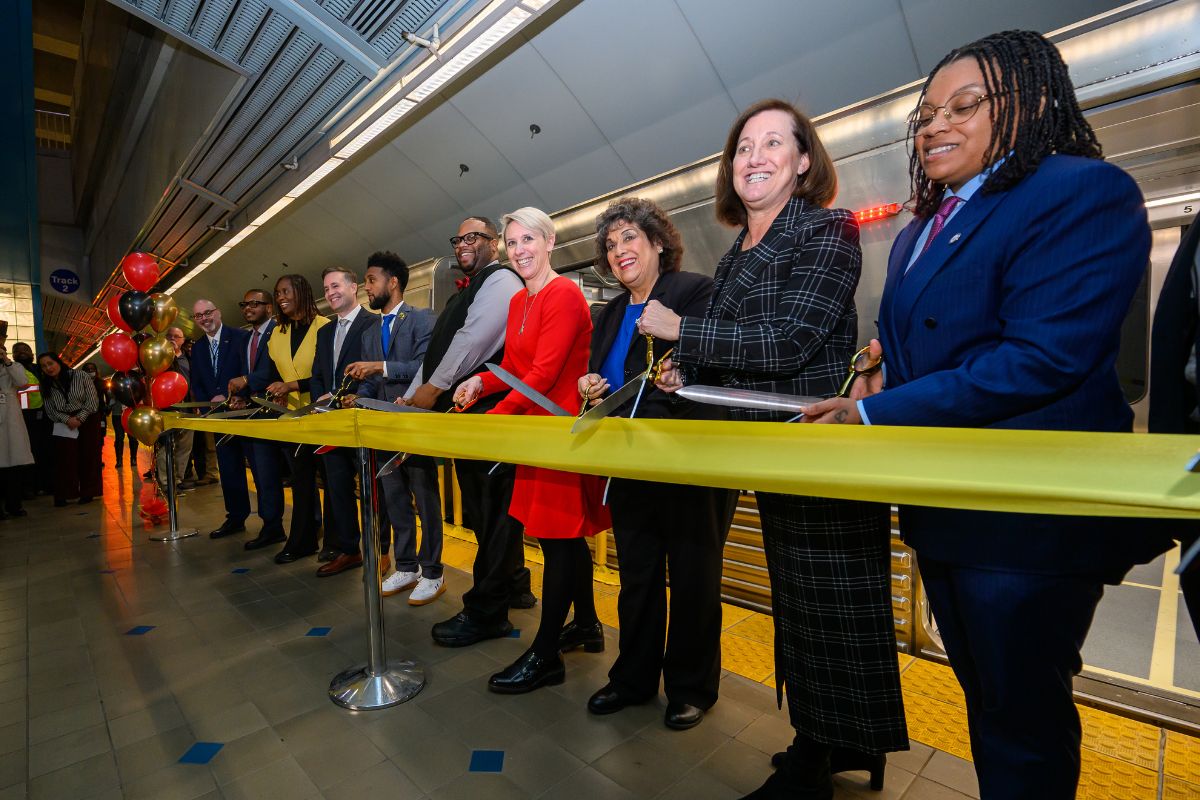
Acting Transportation Secretary Kathryn Thomson joined Maryland Transit Administrator Holly Arnold and other dignitaries as the MTA celebrated bringing the new Metro Subway railcars into service at the Johns Hopkins Metro Station. (David Trozzo/MDOT)
Maryland is starting the year with momentum, and within the first few weeks, a series of announcements and project launches have signaled a clear focus on progress, access and connection. From digital services to transit and aviation, the state is moving forward on initiatives that many residents will notice almost immediately.
Earlier this month, Governor Wes Moore unveiled the redesigned Maryland.gov website, a project aimed at making state services easier to find and simpler to use. The new site allows residents to access information more easily without having to jump through unnecessary hoops.
“In Maryland, we leave no one behind, and that includes how we serve our people online,” Governor Moore said. “This new website is proof that state government can be fast, efficient, and collaborative, replacing bureaucratic mazes with a simple, accessible path to the resources Marylanders need.”
The launch reflects months of collaboration across state agencies, including transportation partners, to ensure that Marylanders can easily navigate services that affect their daily lives, including job and career support, food and nutrition benefits, and unemployment insurance. In addition to the benefits available to eligible Maryland residents, the state also offers essential services such as renewing driver’s licenses and filing taxes.
That same focus on connection showed up again when Governor Moore unveiled his Housing Growth and Affordability Agenda for the upcoming legislative session. Announced at Metro’s Capitol Heights station in Prince George’s County, the plan places strong emphasis on transit-oriented development, encouraging new housing near rail and bus hubs so people can live closer to jobs and services.
“Finding an affordable place to live is one of the biggest challenges facing Marylanders today,” Governor Moore said. “We are committed to building more housing, lowering costs, and creating a housing market that Leaves No One Behind.”
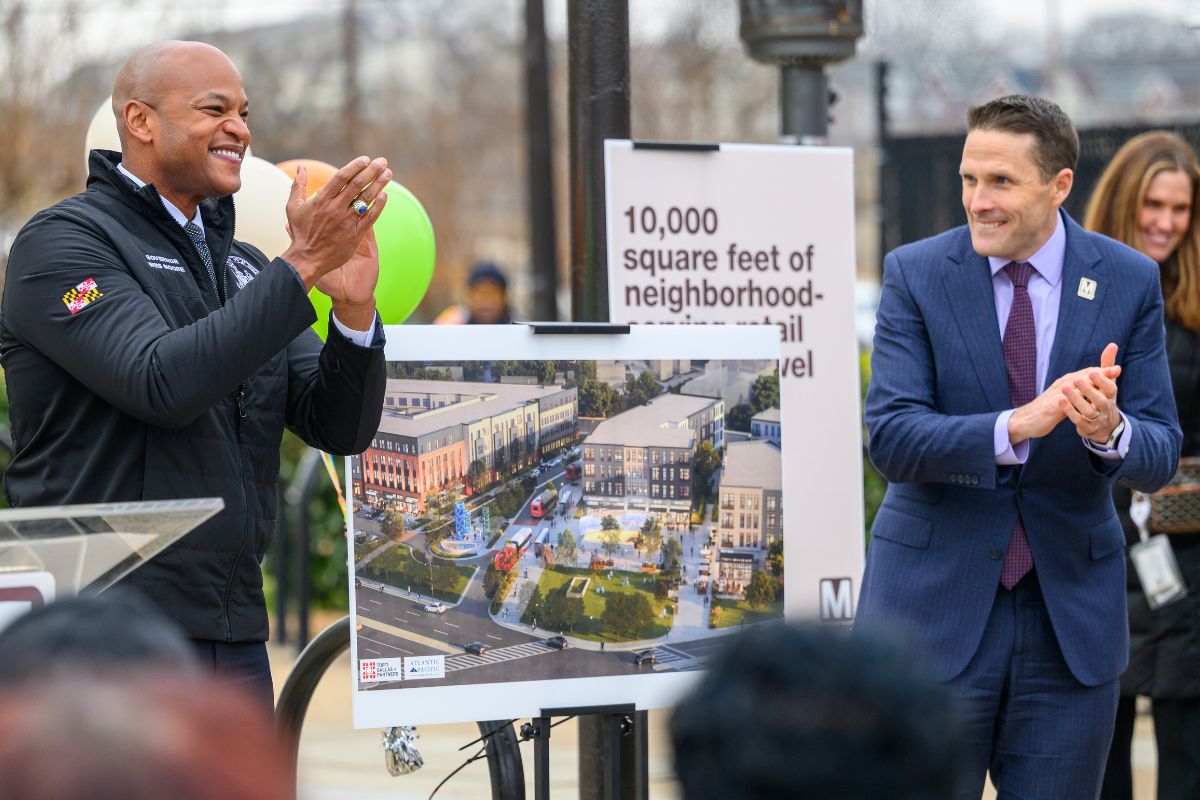
Maryland Governor Wes Moore announces the development partner to lead a mixed-use transit-oriented development (TOD) project at the Capitol Heights Metro Station. Moore also announced The Maryland Transit & Housing Opportunity Act of 2026 that will create more jobs and housing opportunities near public transportation. (David Trozzo/MDOT).
By tying housing policy directly to transportation infrastructure, the state is taking a more coordinated approach to growth, one that recognizes mobility as a key part of affordability and quality of life.
January also marked a leadership transition at the Maryland Department of Transportation, with Kathryn “Katie” Thomson stepping in as Acting Secretary. Her appointment comes at a time when several long-term transportation investments are becoming visible to the public.
In Baltimore, riders are already seeing the impact. The first of the new Metro Subway railcars is now in operation, providing brighter interiors, improved accessibility and a more comfortable ride. For many commuters, it is one of the most tangible signs of renewed investment in public transit.
Maryland Transit Administrator Holly Arnold emphasized the rider experience, noting that “riders deserve a reliable and modern transit system.”
At BWI Thurgood Marshall Airport, another major milestone has taken shape. The newly opened Concourse A/B Connector and modernized baggage handling system are now welcoming travelers, improving passenger flow, and increasing the airport’s capacity. As the largest capital project in the airport’s history, it represents a long-term investment in Maryland’s role as a regional and international gateway.
Together, these tell a simple story: Maryland is starting the year by improving how people access services, move around the state, and build communities around opportunity. These are changes residents can see, use and feel in their everyday lives.
Victory Anase Momoh is an Intern at the Maryland Department of Transportation’s Office of Public Affairs.